

The mere mention of Interstate 95 often conjures images of gridlock, brake lights stretching into the horizon, and the frustrating crawl through bustling East Coast metropolises. As the primary artery connecting major cities from Maine to Florida, I-95 is a vital corridor for commerce and leisure, but it is also a perpetual battleground against congestion. Travelers, whether for business or vacation, constantly seek strategies to circumvent these notorious delays, and one recurring question emerges: is traveling overnight the secret to unlocking a smoother, faster journey on I-95? This article delves into the realities of overnight travel on America’s busiest north-south highway, examining its potential benefits, inherent risks, and the crucial preparations needed for a successful, traffic-free experience.
The East Coast’s Nemesis: Navigating I-95 Congestion
I-95 is more than just a highway; it’s a critical infrastructural spine for the Eastern Seaboard. Its path cuts through densely populated areas, major economic hubs, and popular tourist destinations, creating a complex tapestry of traffic demands. From the relentless commuter flows around cities like Washington D.C., Philadelphia, and New York City, to the surge of seasonal travelers heading south for winter or north for summer, I-95 shoulders an immense burden.
The Ever-Present Challenge of Daytime Travel
Daytime travel on I-95 is often synonymous with unpredictable delays. The most significant contributors are typical rush hour periods, which, according to the Maryland Transportation Authority (MDTA), are most acute between 6-10 a.m. and 3-7 p.m., particularly in the southern sections of the corridor. This congestion is not confined to weekdays; weekend travel, fueled by leisure trips and holiday commutes, can exacerbate delays. The sheer volume of passenger vehicles, coupled with commercial truck traffic essential for the economy—trucking supporting 8.4 million jobs—creates a persistent challenge for anyone attempting to traverse the route during daylight hours.
Why Travelers Seek Alternatives to Rush Hour
The frustration of daytime I-95 travel is a shared experience. Hours lost in traffic translate to missed appointments, delayed arrivals, and increased stress. This reality drives a constant search for alternatives. Many travelers have learned to adjust their schedules, opting for early morning departures before the main rush, mid-day travel to avoid peak commuter hours, or, increasingly, considering the viability of overnight journeys. The allure of a less crowded highway, where speeds are more consistent and the constant stop-and-go is minimized, makes overnight travel an attractive proposition for those willing to trade sleep for smoother passage.
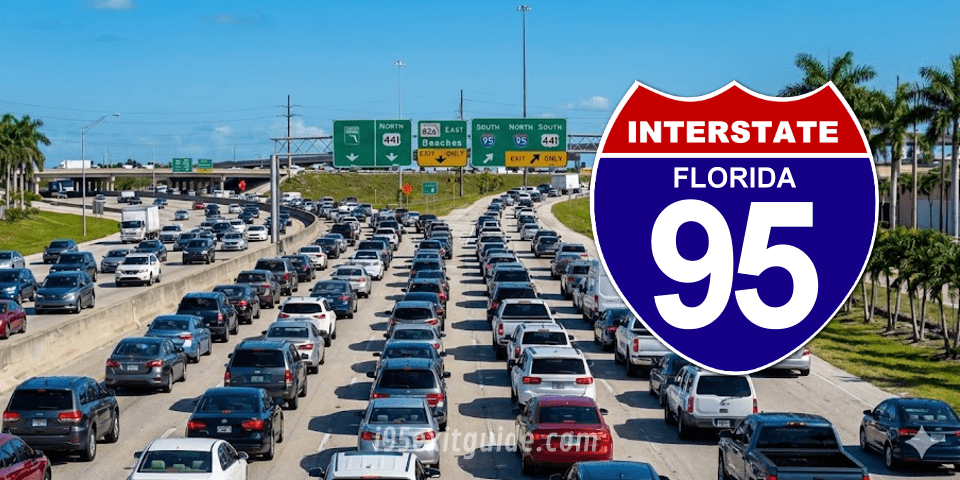
Unpacking the Promise: Does Overnight I-95 Deliver on Less Traffic?
The hypothesis that driving I-95 overnight significantly reduces traffic is rooted in observable changes in vehicle volume. As the sun sets and the majority of the day-time commuter and leisure traffic dissipates, the highway often transforms. However, the experience is not uniform and depends heavily on various factors.
Reduced Passenger Vehicle Volume
The most apparent benefit of overnight travel is the dramatic decrease in passenger vehicles. Commuter traffic, a primary driver of congestion during peak daylight hours, largely ceases between late evening and early morning. Similarly, recreational travelers often plan their longer journeys to coincide with daylight hours, leaving the roads significantly emptier during the overnight period. This reduction in sheer numbers is the fundamental reason why overnight travel can offer a more fluid experience.
Persistent Commercial Vehicle Traffic
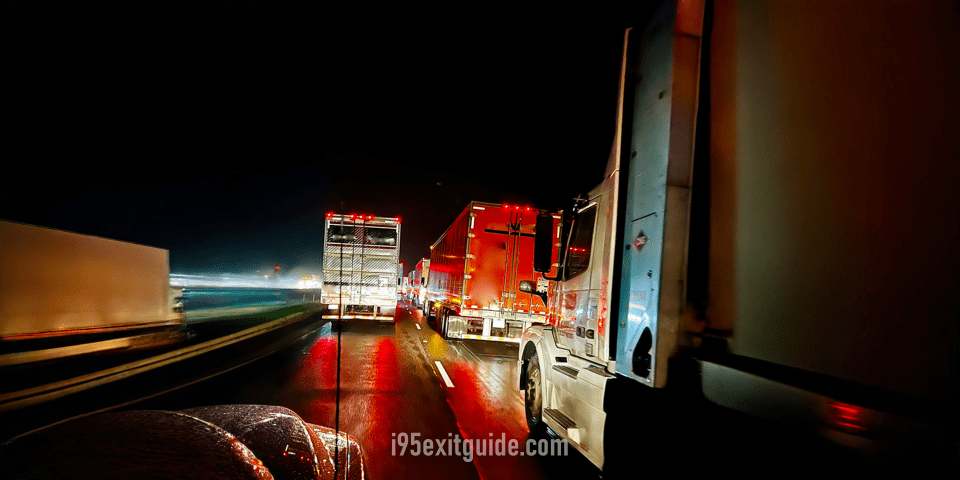
While passenger vehicle volume plummets, commercial traffic remains a constant presence on I-95 throughout the night. Freight movement is a 24/7 operation, and many trucking companies leverage the reduced congestion of nighttime hours to maximize efficiency and meet delivery schedules. This means that while I-95 may be less crowded, it will still feature a significant number of large commercial vehicles, which require different maneuvering space and can influence driving dynamics. The presence of these vehicles is a crucial consideration for any overnight traveler.
The Nuance of “Less” Traffic: Location and Time of Night
The term “less traffic” needs qualification. The degree to which I-95 is less congested overnight varies significantly by location and the specific hours of the night. Major urban centers, even late at night, can still experience residual commuter or late-night entertainment traffic. Conversely, stretches between cities might be exceptionally quiet. Furthermore, the hours between midnight and 4 a.m. are typically the quietest, while the period just before dawn (4-6 a.m.) can see the beginnings of early commuter traffic re-emerge, especially near metropolitan areas.
The Tangible Benefits of Driving I-95 Overnight
For those who choose to undertake the journey after dark, several tangible benefits can enhance the travel experience, provided they are well-prepared.
Potentially Faster Travel Times Between Major Hubs
With substantially fewer vehicles on the road, the potential for significantly reduced travel times between major hubs like Richmond and Baltimore, or Baltimore and Philadelphia, is a primary draw. The ability to maintain higher average speeds for longer durations can shave hours off a journey that would be significantly longer during peak daytime periods. This efficiency is precisely what many travelers are seeking when they opt for overnight transit.
More Consistent Speeds and Fewer Stop-and-Go Situations
One of the most significant advantages of overnight travel is the elimination, or drastic reduction, of stop-and-go traffic. This leads to more consistent travel speeds, allowing for a smoother and more predictable journey. The absence of constant acceleration and deceleration not only makes for a less taxing drive but also contributes to better fuel economy. The predictability of maintaining a steady pace is a stark contrast to the often chaotic and stop-start nature of daytime I-95.
Reduced Stress from Daytime Congestion
The psychological toll of navigating heavy traffic cannot be overstated. The constant decision-making, the proximity to other aggressive drivers, and the sheer feeling of being trapped can elevate stress levels considerably. By traveling overnight, drivers can bypass these common stressors. The calmer environment of a less congested highway allows for a more relaxed driving experience, contributing to overall well-being during a long journey.
The Critical Drawbacks and Risks of Night Driving on I-95

Despite the potential advantages, driving I-95 overnight presents a unique set of challenges and risks that demand careful consideration and robust preparation. Ignoring these can transform a promising shortcut into a hazardous undertaking.
Driver Fatigue: The Silent Hazard
The most significant risk associated with overnight travel is driver fatigue. The natural circadian rhythm dictates that humans are less alert and more prone to drowsiness during nighttime hours. This can impair judgment, slow reaction times, and lead to microsleeps. According to the National Sleep Foundation, “[o]ne in six teen drivers (16%) report having driven drowsy,” underscoring the prevalence of this dangerous behavior across demographics. The National Highway Traffic Safety Administration (NHTSA) consistently identifies fatigue as a contributing factor in a significant number of crashes.
Reduced Visibility and Increased Accident Risks
Darkness inherently reduces a driver’s field of vision and the ability to perceive hazards. Road signs can be harder to read, pedestrians or animals on the roadside are less visible, and the contrast between the road surface and potential obstacles is diminished. This reduced visibility, combined with the potential for higher speeds when traffic is light, can increase the likelihood and severity of accidents. Furthermore, 28% of fatal crashes in 2023 were speeding-related, a risk that can be amplified when visibility is compromised. The National Transportation Safety Board (NTSB) frequently highlights visibility issues as a key factor in nighttime crashes.
The Presence of Commercial Vehicles
While a reduced number of passenger cars is an advantage, the persistent presence of commercial vehicles at night poses its own set of challenges. Trucks require more stopping distance, have larger blind spots, and can be slower on inclines. Drivers operating in unfamiliar conditions, potentially battling fatigue, must be acutely aware of these large vehicles and maintain a safe buffer zone. The Federal Motor Carrier Safety Administration (FMCSA) has regulations in place for commercial drivers’ hours of service, but drivers of passenger vehicles still need to exercise caution around them.
Limited Services and Support Along the Route
A critical, often overlooked, drawback of overnight I-95 travel is the diminished availability of services. Many gas stations, restaurants, and rest areas operate with reduced hours or are closed entirely during the late-night and early-morning periods. This can be particularly problematic if a driver needs to refuel, use restroom facilities, or address an unexpected vehicle issue. It is essential to plan stops meticulously and ensure that fuel tanks are adequately filled before entering stretches with limited service availability.
Preparing for a Safe and Successful Overnight I-95 Journey
Successfully navigating I-95 overnight requires meticulous planning and a proactive approach to safety. It is not simply a matter of getting behind the wheel after dark; it involves a comprehensive strategy that addresses vehicle readiness, personal well-being, and situational awareness.
Essential Vehicle Maintenance and Checks
Before embarking on an overnight journey, a thorough vehicle inspection is paramount. This includes checking tire pressure and tread depth, ensuring all lights (headlights, taillights, brake lights, turn signals) are functional and properly aimed, verifying the condition of wipers, and confirming adequate fluid levels (coolant, oil, windshield washer fluid). A well-maintained vehicle is less likely to experience a breakdown, which can be significantly more hazardous when services are limited.

Equipping Your Vehicle with Emergency Supplies
A well-stocked emergency kit is non-negotiable for overnight travel. This should include items such as jumper cables, a basic toolkit, a first-aid kit, a flashlight with extra batteries, reflective triangles or flares, water, non-perishable snacks, blankets, and a portable phone charger. In colder months, include items like a small shovel, sand or traction mats, and extra warm clothing.
Strategic Driver Preparation
The driver’s physical and mental state is the most critical factor in overnight safety. Prioritize getting adequate rest before departure. Avoid driving if feeling tired or unwell. Plan for regular breaks, even if the highway appears empty. Aim to stop every two hours or 100 miles to stretch, walk around, and refresh. Utilizing rest stops or well-lit truck stops for brief naps can be beneficial. Be aware of the signs of fatigue, such as yawning, heavy eyelids, and difficulty focusing, and pull over immediately if these occur.
Utilizing Technology for Real-Time Updates
Modern technology can be an invaluable ally for overnight travelers. Navigation websites provide real-time traffic updates, alerting drivers to unexpected incidents or road closures. Many apps also offer features like speed limit indicators and route planning that can help identify available services along the way. Additionally, checking weather forecasts before and during the trip is crucial, as adverse conditions can drastically impact visibility and road safety, especially at night.
I-95’s Varied Landscape at Night: Regional Considerations
The experience of driving I-95 at night is not monolithic; it varies significantly based on the geographic region. Understanding these differences is key to effective planning.
Urban Centers: Washington, DC, Philadelphia, Richmond
These major metropolitan areas, while generally less congested at night than during the day, can still present challenges. Late-night traffic may include workers on alternative shifts, individuals returning from evening activities, or early morning arrivals for flights. While speeds might be higher, the concentration of exits, entrances, and potential for occasional residual congestion means drivers must remain vigilant. The MDTA data shows that traffic is indeed heaviest in these southern corridors, and while it lessens at night, it never entirely disappears.
Virginia’s I-95 Corridor: Fredericksburg to Richmond
This stretch is a frequent bottleneck and a key segment for many travelers. Overnight, the volume of passenger vehicles typically decreases considerably. However, it remains a major artery for freight traffic. Drivers should expect to encounter numerous commercial vehicles and be mindful of the transition zones where traffic might increase slightly due to nearby towns or early morning activity.
Southern Stretches: Georgia to Florida (e.g., Savannah)
As one moves further south, the character of I-95 changes. While still a major corridor, it can become less densely populated between major cities compared to the Northeast. Overnight, these stretches can offer exceptionally smooth driving, with minimal traffic beyond commercial vehicles. However, service availability can become a more significant concern in less populated areas, requiring proactive planning for fuel and rest stops.
Northern Reaches: New England (e.g., Maine)
The northern segments of I-95, particularly as one moves into New England, often experience lower overall traffic volumes compared to the mid-Atlantic. Overnight travel here can be exceptionally quiet, offering a serene driving experience. However, drivers must be acutely aware of wildlife, particularly deer and moose, which are more active at dawn and dusk and can pose a significant hazard on these less trafficked, more rural stretches. Reduced visibility is compounded by the risk of animal encounters.
Alternative Interstates and Their Overnight Viability
While I-95 is the focus, it’s worth noting that alternative interstates like I-81 (running west of I-95 through the Appalachian Mountains) or I-79 can offer entirely different overnight driving experiences. I-81, for instance, is a primary trucking route but can be less congested with passenger vehicles than I-95. However, these routes often have fewer services and can present their own set of challenges, such as mountainous terrain and potential for weather-related closures, especially in winter. Their viability depends heavily on the specific origin and destination.
The Verdict: Is Overnight Travel the Secret to Avoiding Traffic on I-95?
A Nuanced Answer: It’s a Strategy, Not a Secret
Overnight travel on I-95 is not a universal “secret” that guarantees a traffic-free journey, but it is undoubtedly a potent strategy for mitigating congestion for many travelers. The fundamental principle holds true: by avoiding peak daylight hours, particularly weekday rush hours, you significantly increase your chances of encountering lighter traffic volumes. The reduction in passenger vehicles can lead to faster travel times, more consistent speeds, and a less stressful experience.
However, this strategy comes with its own set of critical considerations. Driver fatigue is a formidable adversary, demanding strict adherence to rest protocols. Reduced visibility and the persistent presence of commercial vehicles require heightened awareness and defensive driving. Furthermore, the diminished availability of services necessitates meticulous pre-trip planning.
Ultimately, whether overnight travel on I-95 is the right strategy for you depends on a careful assessment of your personal tolerance for risk, your ability to manage fatigue, your preparedness for potential challenges, and your specific travel route and timing. For the well-prepared and vigilant traveler, venturing onto I-95 after dark can indeed unlock a significantly smoother, more efficient, and less frustrating passage along the East Coast’s most vital artery.
Conclusion
The persistent challenge of I-95 congestion has led many to seek out unconventional solutions. Overnight travel emerges as a compelling strategy, offering the undeniable benefit of significantly reduced passenger vehicle volume. This reduction can translate into faster travel times, more consistent speeds, and a less stressful driving experience, particularly when avoiding the notorious rush hours and weekend surges. However, the promise of an open road after dark is tempered by a unique set of risks. Driver fatigue, a silent hazard, can severely impair judgment and reaction times, while reduced visibility inherently increases accident potential. The constant presence of commercial vehicles necessitates careful navigation, and the limited availability of services during overnight hours demands proactive planning.
To successfully leverage overnight travel on I-95, thorough preparation is paramount. This includes meticulous vehicle maintenance, stocking an emergency kit, prioritizing driver rest and implementing a strict break schedule, and utilizing technology for real-time updates and weather monitoring. Understanding the regional variations along the I-95 corridor, from the bustling urban centers to the more rural stretches, is also crucial for anticipating conditions.
In conclusion, overnight travel on I-95 is not a magic bullet, but rather a well-defined strategy that, when executed with diligence and awareness, can be highly effective. It offers a tangible advantage for those willing to trade daylight comfort for the potential of a smoother journey. By carefully weighing the benefits against the risks and implementing robust preparation measures, travelers can make an informed decision about whether navigating I-95 after dark is the right path to circumventing the infamous East Coast gridlock.
Frequently Asked Questions
Is overnight travel on I-95 truly free of traffic?
No, the number of passenger vehicles decrease, but commercial trucks persist, especially from midnight – 4:00 am. Urban areas like DC and Philly have residual traffic.
What are the main risks of driving I-95 at night?
Driver fatigue impairs alertness; reduced visibility raises accident risks; trucks need extra caution; limited open gas stations and rest areas.
How much faster is overnight I-95 travel?
Fewer cars will allow consistent speeds and hours saved between hubs like Richmond-Baltimore, unlike daytime rush hours (6:00 am – 10:00 am, 3:00 pm – 7:00 pm).
What preparations are needed for safe overnight I-95 driving?
Check you vehicle lights/tires/fluids; pack and emergency kit (flashlight, flares, snacks); take rest breaks every 2 hours; use websites for traffic/weather.
Does I-95 night driving vary by region?
Yes! Northeast urban spots are busier; Virginia is freight-heavy; The South is quieter but with fewer services; New England risks include wildlife like deer/moose.
What’s I-95 traffic like RIGHT NOW? Get Real-time traffic information for cities along Interstate 95. Maps show updates on I-95 road construction, traffic accidents, travel delays and the latest traffic speeds. I-95 traffic cameras show congestion at a glance. Visit I-95 Traffic.
The I-95 Exit Guide is the Internet’s largest and most complete website dedicated to Interstate 95 travelers. Find detailed exit service listings… lodging, camping, food, gas and more for every exit from Maine to Florida!
On the road? Why not take us with you. The I-95 Exit Guide is mobile-friendly and totally FREE. No App Required.
Traveling another route? Visit our growing family of exit guides: I-4 Exit Guide, I-5 Exit Guide, I-10 Exit Guide, I-75 Exit Guide, I-80 Exit Guide and I-95 Exit Guide. Detailed exit service listings… discount lodging, camping, food, gas and more for every exit along the way!