

Introduction: The I-95 Experience – A Journey of Miles and Moods
Interstate 95 is more than just asphalt and concrete; it’s the main artery of the American East Coast, a 1,920-mile ribbon of ambition, frustration, and human drama. From the sun-drenched stretches of Miami to the snow-prone corridors of the Northeast, this vital highway connects millions of lives and livelihoods. Yet, for anyone who has gripped the steering wheel during a standstill near Fredericksburg or navigated the frantic lane changes in a major city, I-95 is also a shared trial by fire. It’s a journey measured not just in miles, but in moods—a place where a smooth ride can devolve into a chaotic traffic jam in a matter of seconds.
The Lifeline and the Labyrinth: Understanding America’s Busiest Highway
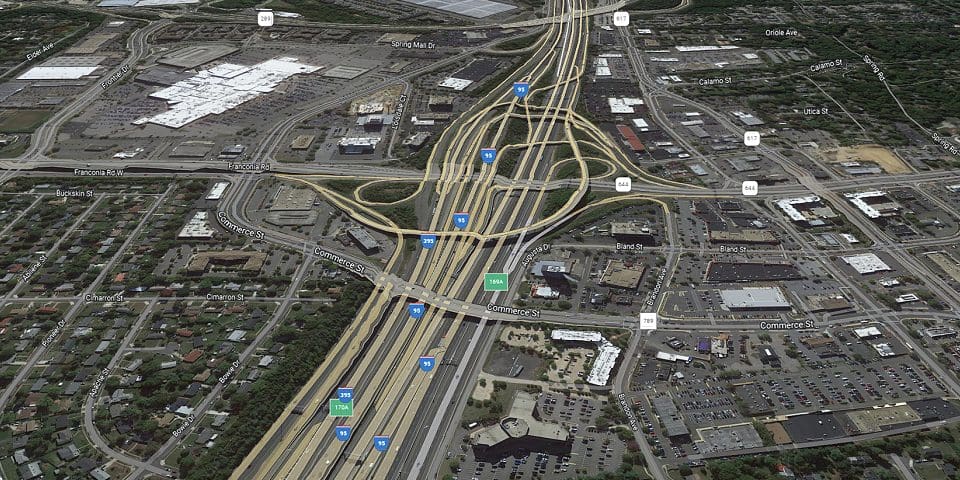
As the longest north-south interstate, I-95 serves a critical economic and social function. It’s a conduit for commerce, tourism, and daily commutes, supporting a constant flow of passenger vehicles and heavy truck traffic. But this high volume comes at a cost. The highway is a complex labyrinth of interchanges, work zones, and choke points, each with its own unique challenges. The sheer density of vehicles, combined with varying speed limits and unpredictable conditions, creates an environment where stress and risk are constant companions. Understanding this dual nature—the highway as both a lifeline and a labyrinth—is the first step toward mastering it.
What You’ll Discover: Real Stories and Practical Wisdom
This article moves beyond mere statistics. We’ll delve into the real stories of I-95—the “traffic tales” that every regular driver understands. From the daily grind of rush hour to the sudden chaos of accidents and severe weather, these anecdotes provide a human context to the challenges. More importantly, we’ll pair these stories with expert-backed strategies and practical tips designed to help you not only survive your journey but also keep your cool. You’ll learn proactive planning techniques, defensive driving tactics, and emotional resilience skills to transform your I-95 experience from a source of stress into a manageable, safer drive.
I-95 Traffic Tales: Stories from the Front Lines
Every driver on this sprawling highway has a story. These tales, drawn from the front lines of the daily commute, illustrate the common challenges that define the I-95 experience.
The Rush Hour Gauntlet: Daily Battles Against Congestion
For millions, the day begins and ends with the rush hour gauntlet. It’s a predictable, yet perpetually frustrating, ballet of brake lights and slow-moving metal. Take the daily commute into any major city along the corridor. The journey is a constant calculation of risk and reward. A single ill-timed lane change or a minor fender-bender can trigger a cascading traffic jam that stretches for miles. This is where rear-end collisions become frighteningly common, as drivers misjudge the sudden stops and starts. The average time commuters waste in traffic has been climbing, with one study showing an increase from 54 hours per year in 2019 to 63 hours in 2024, a testament to the worsening gridlock that defines the modern commute.
Navigating the Endless Construction Zones: The Orange Cone Odyssey

The sea of orange cones is a familiar sight on I-95. While essential for maintenance and improvement, work zones present a unique set of hazards. Lanes narrow, shift unexpectedly, and speed limits drop, creating confusion and bottlenecks. Poor or confusing signage can lead drivers to make last-second maneuvers, increasing the risk of sideswipe crashes. The Virginia Department of Transportation (VDOT) and other state agencies work to manage these zones, but the combination of heavy machinery, uneven pavement, and condensed traffic flow demands a heightened state of alertness from every driver.
When the Weather Turns Wild: Tales of Snow, Ice, and Rain

I-95 spans multiple climate zones, and weather is a powerful, unpredictable adversary. A sudden downpour in Florida can reduce visibility to near zero, while a snowstorm in the Mid-Atlantic can paralyze the highway for days. The infamous January 2022 event near Fredericksburg, Virginia, where thousands were stranded in a massive traffic jam for over 24 hours due to snow and ice, serves as a stark reminder. In these conditions, even the most routine trip can become a test of endurance. A simple patch of black ice or a hydroplaning vehicle can initiate multi-car accidents, turning a stretch of road into a scene of flashing police lights and waiting tow trucks.
The Heavy Haulers: Sharing the Road with Big Rigs
The economic pulse of the East Coast beats through the heavy truck traffic on I-95. These tractor-trailers are essential, but they also require special consideration from other drivers. Their large blind spots, long stopping distances, and wide turns can be a recipe for disaster if not respected. A common tale involves a passenger car lingering in a truck’s “no-zone,” leading to a terrifyingly close call during a lane change. Navigating around these giants, especially in heavy traffic or work zones, requires patience, foresight, and an understanding of the unique physics that govern their movement.
Unexpected Stops: Accidents and Breakdowns

The most jarring I-95 stories often begin with an unexpected stop. The aftermath of an accident—whether a minor fender-bender or one of the many fatal crashes reported annually—can halt traffic flow for hours. The scene unfolds in a familiar sequence: the initial incident, the arrival of police and emergency services, the methodical work of tow trucks clearing the wreckage, and the slow, creeping release of the backed-up traffic. Breakdowns add to the chaos, with disabled vehicles on the shoulder creating a dangerous obstacle and a distraction for other drivers.
Mastering the Mindset: Expert Tips to Keep Your Cool on I-95
Navigating I-95 is as much a mental challenge as it is a physical one. Maintaining composure is not just about comfort; it’s a critical safety strategy.
Proactive Planning: Your Best Defense Against Stress
The best way to handle I-95 traffic is to avoid the worst of it. Before you even start your engine, check real-time traffic apps like Waze or Google Maps. If possible, adjust your departure time to avoid peak rush hour. Even a 30-minute shift can make a significant difference. Plan your route, including potential alternate roads, in case of a major traffic jam. Ensure your vehicle is well-maintained with a full tank of gas, proper tire pressure, and emergency supplies. This preparation reduces the number of variables you have to worry about on the road, freeing up mental energy to focus on driving.
Defensive Driving: Anticipate, React, and Stay Safe
Defensive driving is the art of staying out of trouble. On I-95, this means assuming other drivers will make mistakes.
- Maintain a Safe Following Distance: The three-second rule is your best friend. In heavy traffic or bad weather, extend it to four or five seconds. This gives you time to react to sudden stops and is the single most effective way to prevent rear-end collisions.
- Master Lane Changes: Signal every intention, check your mirrors, and always look over your shoulder to clear your blind spot. Avoid abrupt or aggressive lane changes, which are a primary cause of sideswipe crashes.
- Scan Ahead: Look 12-15 seconds down the highway, not just at the car in front of you. This helps you anticipate slowdowns, spot debris, and see potential hazards before they become immediate threats.
- Manage Your Space: Try to create a safety cushion around your vehicle. Avoid lingering next to heavy trucks and be aware of cars merging onto the highway.
Emotional Resilience: The Zen of Driving I-95
Frustration is a natural reaction to I-95’s challenges, but letting it escalate is dangerous. Road rage is a pervasive issue; ConsumerAffairs found that 92% of Americans have witnessed it. The key is to de-personalize the actions of other drivers. The person who cut you off is likely distracted or stressed, not personally attacking you. Practice deep breathing exercises when you feel your anger rising. Listen to calming music or an engaging podcast to shift your focus. Remember that arriving safely is more important than “winning” a perceived battle with another driver.
Leveraging Technology for a Smoother Ride
Modern technology can be a powerful ally. Use hands-free navigation apps to receive real-time alerts about accidents, police activity, and congestion ahead. These tools can help you make informed decisions about your route. Many vehicles are now equipped with advanced driver-assistance systems (ADAS) like adaptive cruise control, blind-spot monitoring, and automatic emergency braking. Learn how to use these features effectively, as they can reduce driver fatigue and provide an extra layer of safety during a long, stressful drive.
Beyond the Stories: Understanding I-95’s Inherent Risks
While personal anecdotes paint a vivid picture, it’s crucial to understand the underlying data that makes I-95 one of America’s most challenging highways.
Common Causes of Collisions on I-95
The majority of accidents on this highway are not random events; they stem from predictable, often preventable, behaviors. Speeding is a primary culprit, drastically reducing reaction time and increasing the severity of any impact. Distracted driving—texting, eating, or adjusting controls—is another major factor, turning a momentary lapse in attention into a potential tragedy. Aggressive driving, characterized by tailgating, weaving through traffic, and improper lane changes, further elevates the risk of both sideswipe crashes and multi-vehicle pileups, contributing to the high number of fatalities each year.
High-Risk Hotspots and Conditions
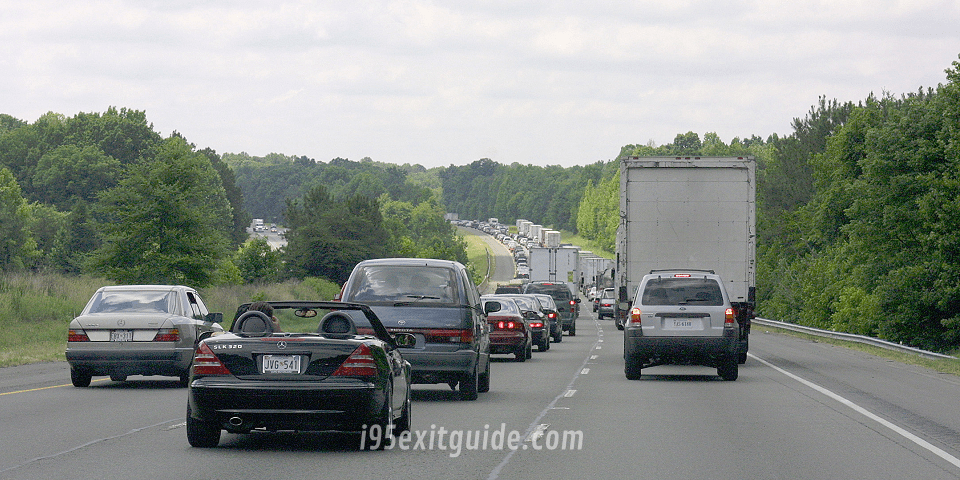
Certain sections and conditions on I-95 are statistically more dangerous. Urban corridors like the stretch through Miami are notorious for congestion and a high frequency of accidents. The section around Fredericksburg, VA, is a known bottleneck where traffic can grind to a halt. Work zones, with their confusing layouts and reduced speeds, are perennial hotspots for collisions. Furthermore, driving during rush hour, holidays, or adverse weather like snow or heavy rain significantly increases your risk profile. Recognizing these high-risk scenarios allows you to raise your defensive posture when it matters most. For instance, in a state like Connecticut along the I-95 corridor, motor vehicle crashes in 2023 resulted in 289 fatalities and over 33,000 emergency department visits, illustrating the severe local impact of highway incidents.
What to Do When the Road Gets Rough: Emergency Preparedness
Even with the best planning, things can go wrong. Knowing how to react in a crisis is a vital skill for any I-95 driver.
If You’re Involved in an Accident
First, assess for injuries. If anyone is hurt, call 911 immediately. If it’s a minor collision and your vehicles are drivable, the safest action is often to move to the shoulder or the nearest exit. This prevents a secondary accident and helps keep traffic flowing. Turn on your hazard lights, exchange insurance and contact information with the other driver, and take pictures of the scene and damage. Wait for police to arrive to file an official report. Stay inside your vehicle if you are stopped in a travel lane or on a narrow shoulder where the risk from passing traffic is high.
Dealing with a Vehicle Breakdown
If your car breaks down, your primary goal is to get it as far off the highway as possible. Pull onto the right shoulder, engaging your turn signal early to alert other drivers. Once stopped, turn on your hazard lights. If you must exit the vehicle, do so from the passenger side, away from traffic. Call for roadside assistance or a tow truck and provide your precise location using mile markers or GPS. It’s unsafe to attempt repairs on the shoulder of a busy highway.
Staying Safe During Major Delays
When caught in a prolonged traffic jam, stay in your vehicle. Turn off your engine periodically to conserve fuel, but run it as needed to maintain a comfortable temperature. Stay informed by listening to local radio or checking traffic apps for updates. Resist the temptation to drive on the shoulder, which is illegal and dangerous, and should be kept clear for emergency vehicles and police. Use the downtime to relax, but remain alert for when traffic begins to move again.
Conclusion: Your Journey to a Cooler I-95 Commute
Driving on I-95 will always present challenges. The sheer volume of traffic, the unpredictable conditions, and the vast distances it covers ensure that it remains a demanding environment. However, it doesn’t have to be a journey defined by stress and fear.
Drive Smart, Drive Calm: The Takeaway Message
The ultimate takeaway is that you are the most important safety feature in your car. By embracing a proactive mindset—planning your trip, driving defensively, and managing your emotions—you can fundamentally change your relationship with this highway. The stories from the road serve as cautionary tales, but the strategies provide an actionable path forward. A smart, calm driver is a safe driver, capable of navigating the complexities of I-95 with confidence and control.
When Professional Help is Needed: Navigating the Aftermath
Despite your best efforts, accidents can happen. In the aftermath of a collision, especially one involving injuries or significant damage, the situation can become overwhelming. Navigating insurance claims and legal responsibilities adds another layer of stress. In these moments, seeking guidance from legal and insurance professionals is a crucial step. They can help you understand your rights, manage the complex paperwork, and ensure you are treated fairly, allowing you to focus on recovery. Your journey to a cooler I-95 commute starts before you even turn the key and continues long after you’ve reached your destination.
What’s I-95 traffic like RIGHT NOW? Get Real-time traffic information for cities along Interstate 95. Maps show updates on I-95 road construction, traffic accidents, travel delays and the latest traffic speeds. I-95 traffic cameras show congestion at a glance. Visit I-95 Traffic.
The I-95 Exit Guide is the Internet’s largest and most complete website dedicated to Interstate 95 travelers. Find detailed exit service listings… lodging, camping, food, gas and more for every exit from Maine to Florida!
On the road? Why not take us with you. The I-95 Exit Guide is mobile-friendly and totally FREE. No App Required.
Traveling another route? Visit our growing family of exit guides: I-4 Exit Guide, I-5 Exit Guide, I-10 Exit Guide, I-75 Exit Guide, I-80 Exit Guide and I-95 Exit Guide. Detailed exit service listings… discount lodging, camping, food, gas and more for every exit along the way!