
Key Takeaways
- Plan shorter driving days — Long stretches that work for you can exhaust an older parent. Build in extra time for frequent, longer stops and treat extra miles as a bonus, not the goal.
- Vet stops and hotels in advance — Not all “accessible” rest stops or rooms work well in practice. Scout restrooms ahead and call hotels with specific questions (walk-in shower, distance to elevator, fridge for meds).
- Organize meds, paperwork, and roles before you leave — Keep daytime medications accessible with alarms, consolidate medical docs offline, note nearby healthcare options, and decide who handles what if something goes wrong.
There is the trip you plan at home, and then there is the one you get once everybody is in the car. Those can be two very different things, especially when you’re traveling with an older parent or someone who has medical or mobility needs. A six hour drive on Google Maps can eat most of the day once you add bathroom stops, traffic, meals, medications, and the surprisingly long process of getting everybody back into the car.
I’ve also learned that the things you worry about beforehand aren’t always the things that cause trouble. You might spend days thinking about traffic around Baltimore and discover that the bigger problem is finding a comfortable restroom when somebody needs one right now. Planning these trips well mostly comes down to accepting that you’re traveling at somebody else’s pace for a while.
Stop Chasing the Mileage
This is probably the first thing I’d change if you’re used to knocking out huge driving days. Eight hours behind the wheel may be fine for you, but eight hours of riding can be miserable for an older person who gets stiff, has back trouble, needs frequent bathroom breaks, or just doesn’t have the stamina they once did. And a twenty-minute stop is rarely twenty minutes. Somebody uses the restroom, somebody wants coffee, you walk around a little, then somebody remembers they left their glasses in the car. Suddenly you’ve been there for forty-five minutes. I find it much easier to plan a conservative stopping point for the night and treat anything beyond that as a bonus.
Rest Stops Aren’t All the Same
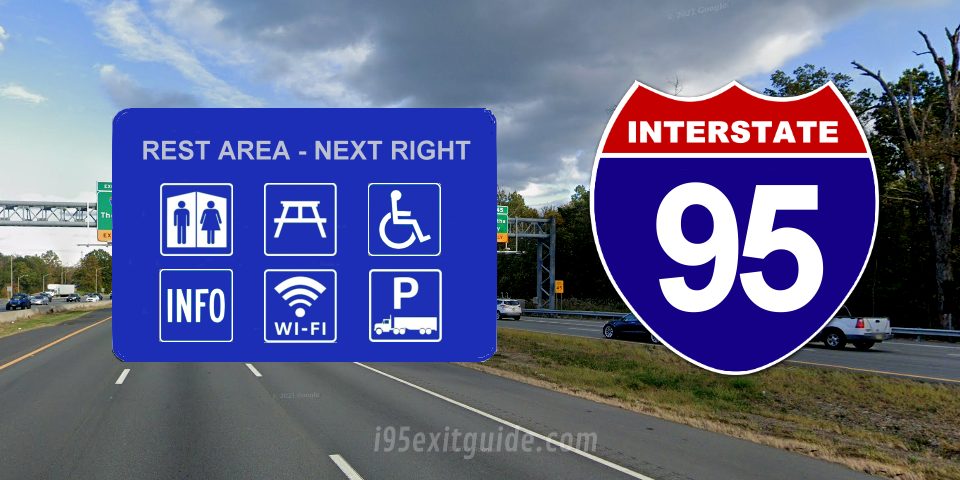
You start noticing this quickly when somebody in your group uses a walker or wheelchair. A place can technically be accessible and still be a pain to use. The accessible parking might be farther from the entrance than you expected, the restroom may be crowded, or the route from the car may be awkward for somebody who isn’t steady on their feet. I like knowing a few possible stops ahead of time rather than waiting until someone announces they need a bathroom and grabbing whatever happens to be at the next exit. It also helps to stop before the situation becomes urgent, which is one of those obvious lessons that somehow takes a road trip to learn. Having a backup stop isn’t a bad idea either, because construction, crowds, and closed facilities have a way of showing up on the exact day you don’t need them.
Call the Hotel
I wouldn’t put too much faith in the little accessibility symbol you see when booking a room. It tells you something, but it doesn’t necessarily tell you the thing your family member needs to know. If Mom needs a walk-in shower, Dad can’t manage a long hallway, or somebody needs a refrigerator for medication, call and ask specifically about that. I’ve found that practical questions work better than simply asking whether a hotel is accessible. How far is the room from the elevator? Are there steps between the parking area and the entrance? What kind of shower is actually in the room? You may feel like you’re being overly particular, but after a full day on I- 95, this is exactly the kind of boring detail you’ll be glad you settled before leaving home.
Don’t Let the Highway Run the Medication Schedule
Road trips wreck routines almost without trying. You leave earlier than usual, breakfast happens at a different time, lunch gets delayed by traffic, and the pills normally sitting beside the coffeemaker are now in a suitcase underneath everybody else’s luggage. If someone takes medication at particular times, I would write the schedule down and set alarms before the trip begins. Keep whatever is needed during the day somewhere accessible too, rather than packed with the overnight bags. The same goes for anything that needs food, refrigeration, or some other special handling. I’ve seen how quickly “we’ll remember” turns into “wait, did you take that at lunch?” Once everyone is tired and you’ve been staring at brake lights for an hour.
Put the Medical Paperwork Together

This is another thing that doesn’t seem important until suddenly it is. Families tend to have medical information scattered everywhere. The insurance card is in one wallet, the prescription list is on somebody’s phone, a specialist’s number is buried in old texts, and nobody remembers where the advance directive was saved. Before a long trip, gather medication and dosage information, insurance cards, physician contacts, copies of prescriptions, and any other documents you would want available if you unexpectedly ended up at a pharmacy, urgent care center, or hospital. One simple option is to combine PDF files online so those separate documents live together in a single travel file instead of six different places. I’d still keep an offline copy available, because depending entirely on cell service and one person’s phone is asking a lot from technology at the worst possible moment.
Know What’s Down the Road
I used to think looking up hospitals before a trip was a little grim. Now I think of it the same way I think about checking the spare tire. You’re hoping the information remains completely useless. Before leaving, look at the route and make a note of healthcare options around the places where you’ll spend the night or along stretches where services are farther apart. If your family member has a condition that could require particular care, that’s worth considering too. You don’t need a giant spreadsheet containing every emergency room between Maine and Florida. A few sensible options saved on your phone can prevent a lot of frantic searching if somebody starts feeling poorly two states away from home.
Decide Who Does What
One problem with family emergencies is that everybody wants to help at once, which can turn into nobody being quite sure what they’re supposed to do. Talk about the basics before you leave. Who has the medication list? Who calls another family member if something happens? Who stays with your parents if they need medical attention, and who deals with the car, luggage, hotel, or whatever else has suddenly become somebody’s problem? This matters even more when a traveler has hearing loss, memory problems, limited vision, or difficulty communicating with strangers. You don’t need to hold a grim family meeting about everything that could possibly go wrong, but five minutes of conversation can eliminate a surprising amount of confusion.
Slow Down a Little
This may be the hardest adjustment if you’re the person who normally treats a road trip like a mission. You start the morning thinking you should make Richmond by lunch or Jacksonville before dark, and pretty soon every extra stop feels like you’re falling behind. That attitude can make everybody miserable. If your dad wants another break because his legs hurt, take the break. If your mom is exhausted at four in the afternoon, maybe that’s the day you find a hotel earlier than planned and have dinner somewhere nearby. Years from now, nobody is going to care that you squeezed another 140 miles out of Tuesday.
There’s a strange upside to slowing down for somebody else. You notice more. Meals last longer, conversations wander, and you occasionally end up somewhere you never would have stopped if you’d been trying to beat the GPS arrival time. Yes, traveling I 95 with an elderly parent or a family member who needs extra help requires more planning, and some days will still go sideways despite all of it. But having the medications organized, knowing where you can stop, choosing sensible driving days, and thinking through emergencies removes a lot of the low grade worry that otherwise follows you down the highway.
The I-95 Exit Guide is the Internet’s largest and most complete website dedicated to Interstate 95 travelers. Find detailed exit service listings… lodging, camping, food, gas and more for every exit from Maine to Florida!
On the road? Why not take us with you. The I-95 Exit Guide is mobile-friendly and totally FREE. No App Required.
Traveling another route? Visit our growing family of exit guides: I-4 Exit Guide, I-5 Exit Guide, I-10 Exit Guide, I-75 Exit Guide, I-80 Exit Guide and I-95 Exit Guide. Detailed exit service listings… discount lodging, camping, food, gas and more for every exit along the way!