Key Takeaways
- Numbering System: Even-numbered east-west interstates start at mile 0 at the western border and increase eastward; odd-numbered north-south interstates start at 0 at the southern border and increase northward, resetting at state lines.
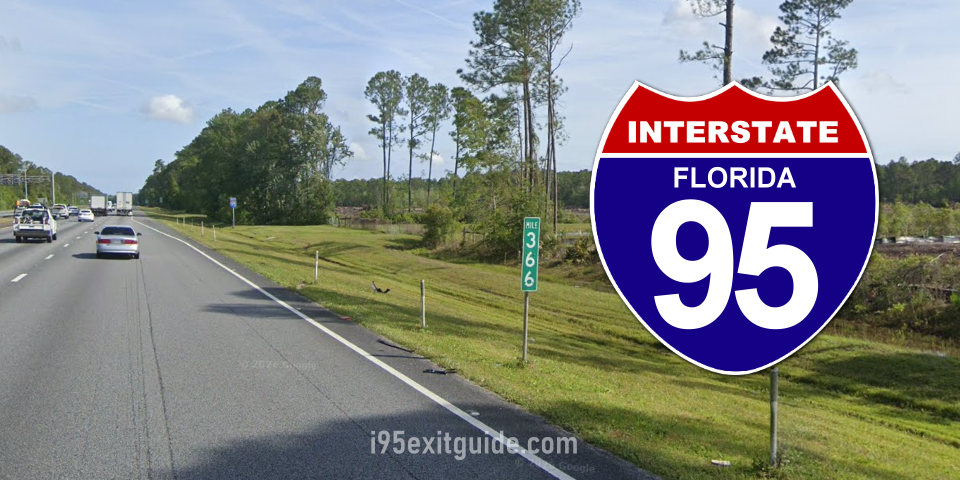
- Design Standards: Green rectangular signs with “MILE” and white numerals, placed every integer mile on the right shoulder, governed by MUTCD Chapter 2H for uniformity and visibility.
- Key Uses: Enable precise distance estimation, emergency location reporting (e.g., for 911), and maintenance, serving as a reliable backup to GPS.
Understanding the Mile Marker System on U.S. Interstate Highways
The mile marker system on U.S. Interstate highways consists of small, green reference signs posted at regular intervals along the roadway, providing drivers with precise location data based on distance traveled from designated starting points.1 2 These unassuming markers—typically displaying the word “MILE” above a white numeral—are essential for navigation, emergency response, and maintenance, offering a standardized grid that transcends GPS reliance in remote areas or during signal loss.3
Historical Development of Mile Markers
Mile markers trace their roots to ancient Roman miliaria, stone pillars erected along roads like the Via Appia to mark distances from Rome, a practice that evolved into modern highway signage as traffic volumes grew in the early 20th century.1 In the U.S., early turnpikes and the National Road (circa 1806) used similar posts, but standardization came with the Interstate Highway System, authorized by the Federal-Aid Highway Act of 1956 under President Dwight D. Eisenhower.4
The Federal Highway Administration (FHWA) and Manual on Uniform Traffic Control Devices (MUTCD) formalized the system in the 1960s-1970s, shifting from named routes or letter-based markers to numeric mileposts aligned with the Interstate grid: even numbers for east-west routes, odd for north-south.1 2 This ensured logical progression, with mileposts resetting at state lines rather than accumulating coast-to-coast, simplifying state-level management while aiding cross-state travel.
Numbering Conventions Explained
East-West Interstates (Even-Numbered Routes)
On even-numbered Interstates like I-10 or I-80, mile markers begin at 0 at the western state border and increment eastward. For instance, Arizona’s I-10 starts at milepost 0 near the California line, climbs to 391 at New Mexico.6 Traveling westbound, numbers decrease, providing intuitive direction cues—rising numbers signal eastward progress.
North-South Interstates (Odd-Numbered Routes)
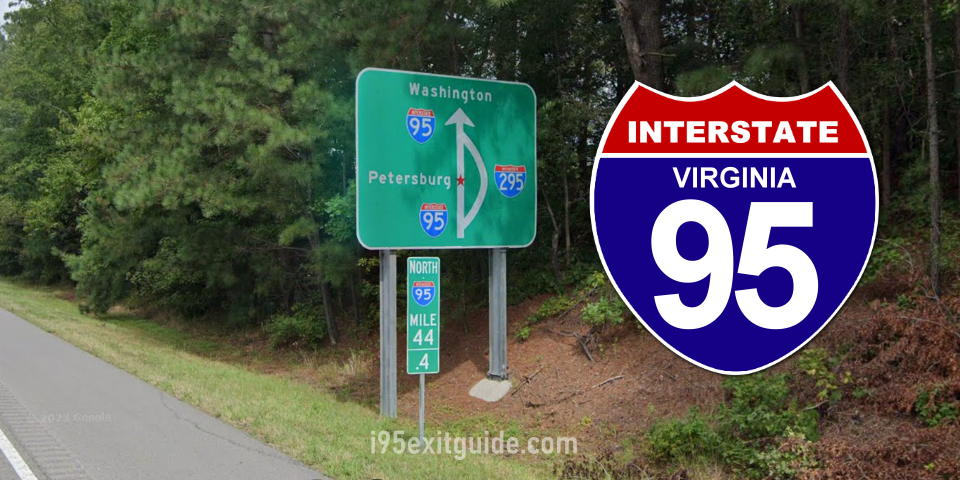
Odd-numbered routes like I-95 or I-5 start at mile 0 at the southern border (or international line) and increase northward. Virginia’s I-95, entering from North Carolina, begins at Mile 1 and rises; southbound, it descends from the Potomac River border.3 This south-to-north logic avoids confusion with U.S. Highways’ north-to-south scheme.4
Markers reset per state, so I-10’s mileposts in Texas differ from California’s, preventing excessively high numbers (e.g., no 2,460-mile span).1
Design and Placement Standards
Governed by MUTCD Chapter 2H, Interstate mile markers are rectangular green signs with white borders, “MILE” legend (4-inch letters), and numerals scaled by digits: 10-inch for 1-digit (24-inch height), up to 48 inches for 3-digits.2 Placed on the right shoulder (median for dividers), minimum 4 feet above ground, they appear every integer mile; intermediate signs (e.g., D10-1a) denote tenths with decimals every 0.1-0.2 miles.2
Enhanced versions (D10-4/5) add route shields and directions (e.g., “NORTH I-81 MILE 317”). Uniformity ensures visibility at highway speeds, with FHWA promoting mile-based exit numbering: Exit 47 near mile marker 47.4
Key Uses in Navigation and Safety
Distance Estimation and Travel Planning
Markers enable quick calculations: subtract current mile from exit number for miles remaining (e.g., Mile 47 to Exit 57 = 10 miles). 3 They track fuel efficiency, rest stops, or state entry.
Emergency Response and Maintenance
Critical for 911 calls—”stranded on I-40 at mile marker 225″—dispatchers pinpoint locations precisely, vital in rural stretches.6 Safety patrols, tow services, and dynamic message signs reference them for incidents or hazards; VDOT urges reporting via #77 or app using mile data.3
Variations and Exceptions
Most states adhere strictly, but California uses postmiles (county-based), Nevada/Ohio/Tennessee mix on non-Interstates, and Arizona’s I-19 employs kilometers.1 6 Northeastern states like New Hampshire favor sequential exits; Hawaii/Alaska/Puerto Rico have prefixed routes (H-, A-, PR-) but local signing.4
The Enduring Value of Mile Markers
In an era of smartphones, mile markers remain a low-tech lifeline—reliable amid blackouts or crashes, embodying the Interstate’s engineering precision.3 They underscore safe driving: glance right, note the number, stay oriented. As highways evolve, this system endures, logging billions of miles annually with unwavering accuracy.
The I-95 Exit Guide is the Internet’s largest and most complete website dedicated to Interstate 95 travelers. Find detailed exit service listings… lodging, camping, food, gas and more for every exit from Maine to Florida!
On the road? Why not take us with you. The I-95 Exit Guide is mobile-friendly and totally FREE. No App Required.
Traveling another route? Visit our growing family of exit guides: I-4 Exit Guide, I-5 Exit Guide, I-10 Exit Guide, I-75 Exit Guide, I-80 Exit Guide and I-95 Exit Guide. Detailed exit service listings… discount lodging, camping, food, gas and more for every exit along the way!